 Michelle Thompson
Europe and the US are exploring additional measures to pressure Russia following the weekend’s largest-ever airstrike on Ukraine.
EU and US officials are meeting in Washington as Donald Trump signals readiness to implement additional sanctions against Russia amid the ongoing war in Ukraine.
David O’Sullivan, the EU’s top sanctions envoy, held talks with US counterparts on Monday to explore stronger measures aimed at weakening Vladimir Putin’s military capabilities after Russia carried out its largest-ever airstrike on Ukraine over the weekend.
Ahead of the discussions, European Council head António Costa praised transatlantic cooperation on sanctions, emphasizing continued US support for Ukraine. A European Commission spokesperson confirmed that President Ursula von der Leyen spoke with US Vice President JD Vance on Friday, with Ukraine as the sole topic of conversation.
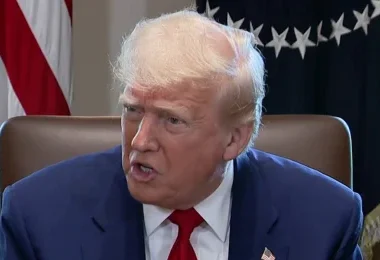
When asked at the White House whether he was prepared to move to a “second phase” of sanctions against Russia, Trump responded affirmatively without providing details. He also mentioned planned meetings with European leaders and a forthcoming conversation with Putin.
Costa, speaking in Helsinki, highlighted coordination between the EU and US to align sanctions more effectively and pressure Putin to negotiate peace with Ukrainian President Volodymyr Zelenskyy. He stressed the need for broader sanctions on Russia, including “secondary sanctions” targeting countries purchasing Russian oil and gas. German Chancellor Friedrich Merz condemned the airstrikes as further escalation and welcomed US cooperation on additional sanctions.
France and Germany have proposed measures targeting Russia’s energy revenues, including private oil companies like Lukoil and foreign refineries exporting Russian oil to the EU. They also advocate sanctions on Russia’s civilian economy, covering sectors such as civil aviation and engineering. A Franco-German statement emphasized the need to increase pressure as Russia continues to resist a ceasefire.
US Treasury Secretary Scott Bessent suggested the US and EU could impose tariffs on countries buying Russian oil, urging Europe to follow the US lead to maximize economic pressure on Russia. While the US has applied tariffs on Indian goods due to discounted Russian oil purchases, it has avoided similar actions against other major buyers like China.
Secondary sanctions could pose challenges for the EU, which is seeking new trade agreements, including with India, to counter Trump’s tariffs. US attention on Russian energy also affects Hungary and Slovakia, whose leaders are friendly toward Putin and have opposed phasing out Russian fossil fuels by 2028. US Energy Secretary Chris Wright noted that Europe reducing Russian fossil fuel imports would support more aggressive US sanctions. The EU has pledged $750 billion in US energy products by 2028.
Since Russia’s full-scale invasion in February 2022, the EU has implemented 18 rounds of sanctions, with further proposals expected. The most recent sanctions in July included lowering the Russian oil price cap, closing trade loopholes, and banning vessels carrying Russian energy from European ports.
Finland’s Prime Minister Petteri Orpo underscored the importance of US-EU cooperation on sanctions, noting that Putin’s attacks demonstrate he will not halt aggression or engage in negotiations. He called for stronger sanctions, increased military support for Ukraine, and enhanced security arrangements.
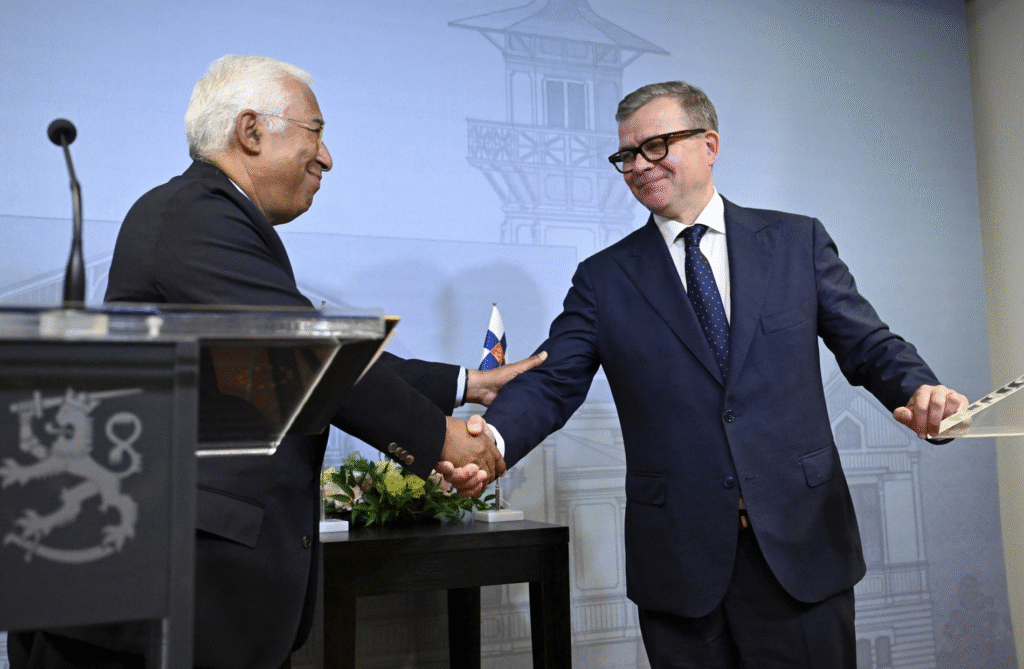
The European Council President António Costa (left) and Finnish Prime Minister Petteri Orpo at their joint press conference on Monday.
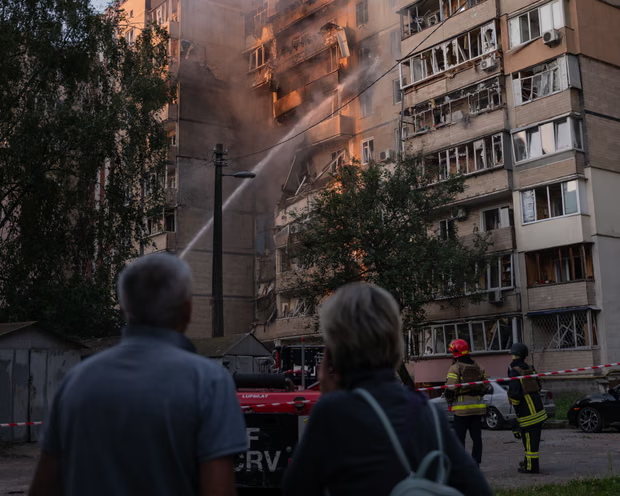
On Sunday, Russia carried out its largest-ever attack on Ukraine, hitting the main government building in Kyiv, which caught fire, and killing at least four people, including a woman and her baby.
Ukrainian President Zelenskyy said Putin was testing the world to see “whether they will accept or tolerate this” and called on Ukraine’s allies to impose stronger sanctions and “tough tariffs” on Russia.
The Kremlin responded on Monday, stating that no sanctions would ever compel Russia to change its stance on Ukraine. Kremlin spokesperson Dmitry Peskov added that Europe and Ukraine are doing everything they can to draw the US into their orbit.