 Michelle Thompson
In May 1989, Dame Anna Wintour made a move that would come to define her era as editor-in-chief of US Vogue: she put a pop star on the cover.
Just a year into her leadership, Wintour had already shown her instinct for capturing the cultural moment. She had been the first to feature a model in jeans on Vogue, and now she featured Madonna.
“If featuring jeans in November 1988 was edgy, featuring Madonna was even bolder,” says Amy Odell, author of Anna: The Biography.
Stylist and Vogue contributor Marian Kwei says this demonstrated Wintour’s talent for keeping Vogue “relevant to our times, contemporary, and accessible.” Previously, Vogue appealed mostly to women who could afford couture, but Wintour recognized the importance of connecting with a younger audience drawn to Madonna.
Nearly 40 years later, Wintour is stepping back from the editor-in-chief role, though she will remain as global editorial director. Her successor, 39-year-old Chloe Malle, will take over as head of editorial content.
While some see Wintour’s continued presence as a reluctance to relinquish control, it can also be viewed as acknowledgment of her unparalleled influence in fashion—and perhaps a precaution against the magazine losing its remaining authority in a digital age.
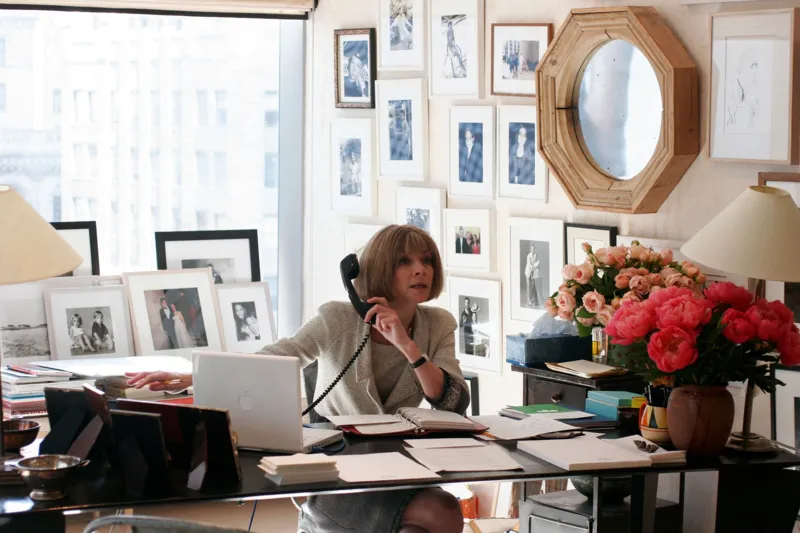
Anna Wintour in her office at Vogue
There was a time when fashion magazines like Vogue dominated the industry, setting the rules of what was “chic” without needing to compete for attention.
Whether Vogue still holds that authority—or ever did—varies depending on whom you ask.
“I think it’s more relevant than people want to admit,” says Amy Odell.
For Anja Aronowsky Cronberg, founder and editor-in-chief of academic fashion journal Vestoj, the answer is different. Growing up in Sweden, Vogue symbolized glamour, possibility, and the broader world she longed to explore—but she stopped reading it 25 years ago.
Today, print magazines struggle to stay relevant in a fast-moving digital world, where monthly issues can’t keep pace with real-time content. “No single magazine holds the kind of influence Vogue had in the ’80s,” Cronberg notes. Social media platforms like TikTok and Instagram now serve as key cultural arbiters.
These shifts will influence Chloe Malle as she assumes the role of head of editorial content. She plans to publish fewer issues, focusing on themes or cultural moments rather than strict monthly schedules, and aims to make the print edition something readers will collect and treasure.
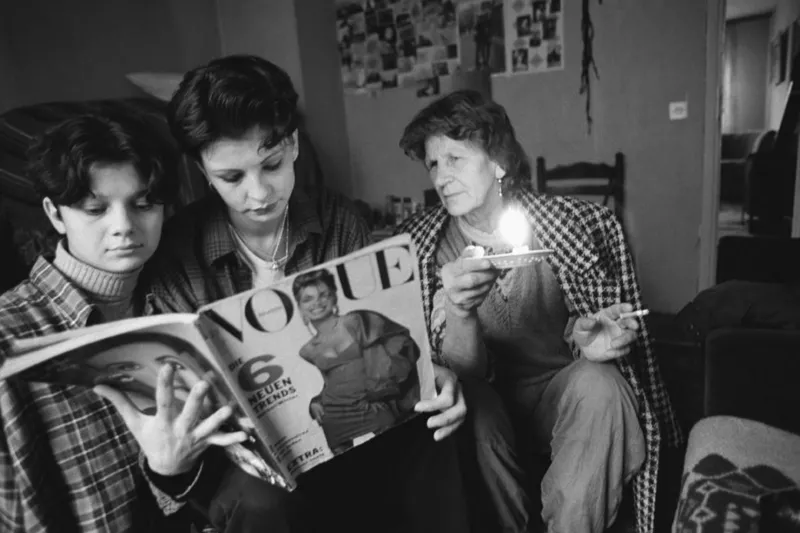
One way Dame Anna has kept Vogue in the cultural spotlight is by broadening the range of people featured on its cover.
Since Madonna’s debut, she has showcased royalty, politicians, pop stars, writers, and even gymnasts. “She definitely bridged fashion and entertainment as Vogue’s editor-in-chief,” says Amy Odell.
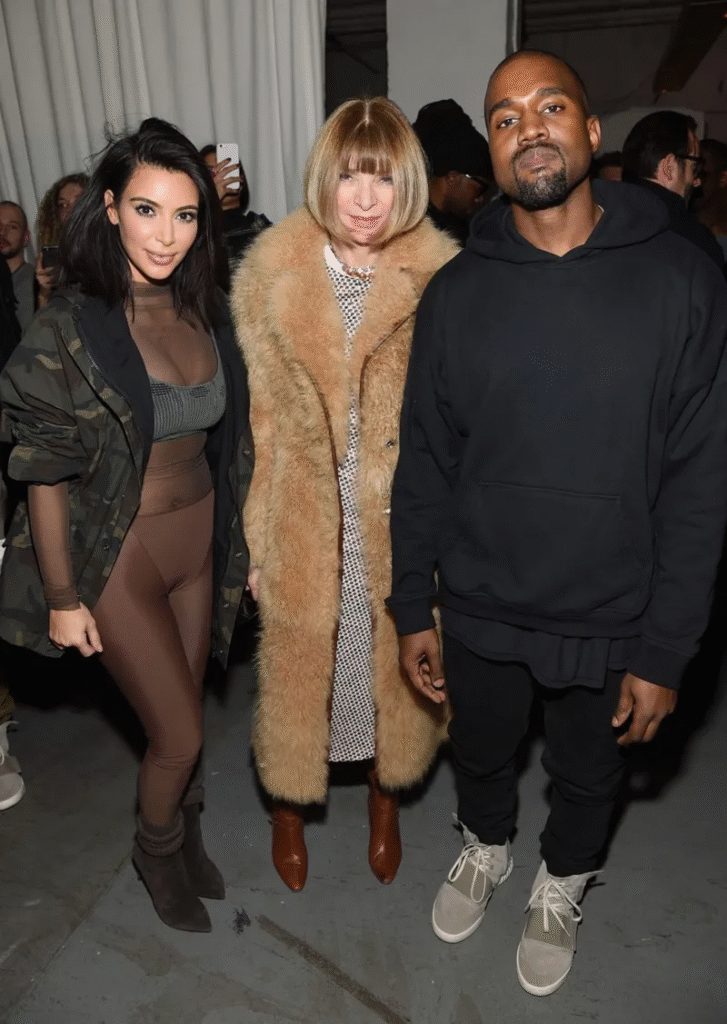
Not all choices were universally praised. When Kanye West and Kim Kardashian appeared on the cover in 2014, it sparked intense debate. “Nobody really wanted to dress her because she was a reality star,” notes Marian Kwei.
In hindsight, the Kardashians’ enduring cultural influence underscores Wintour’s remarkable knack for anticipating—and shaping—trends. Yet questions remain about whether she is still the right person to lead Vogue and if the magazine can survive mounting financial pressures.
It is a far more corporate world than it once was.
Her decision to spotlight Lauren Sanchez, the now-wife of Jeff Bezos, also sparked accusations that the magazine was selling out. It was read by some as more about celebrating wealth and luxury than style. Interestingly, it was Malle who apparently organised the story on the power couple’s wedding and was dispatched to write it.
Vanessa Friedman, chief fashion critic of The New York Times pointed out in a recent article that “while elite weddings are a hallmark of Vogue, they almost never made its cover, and Ms Sánchez Bezos seemingly had neither the celebrity nor modelling credentials that usually merited cover treatment.” The couple’s presence at Donald Trump’s inauguration also drew criticism from some – and contributed to the cover’s backlash, especially on social media.
Dame Anna, who has supported Democratic candidates in the past, has over the years featured Hillary Clinton, Michelle Obama, Jill Biden and, most recently, Kamala Harris. It feels pertinent that whether or not she will invite Melania Trump to be on the cover has been the subject of much discussion – and continues to be, even as Malle steps into the role.
But Vogue can arguably withstand more of this kind of criticism than most because of its fabled history. As Lauren Sherman, the fashion journalist who broke the news of Malle’s appointment, tells the BBC: “The Vogue brand stands apart, and is one of the most important fashion brands in the world.”
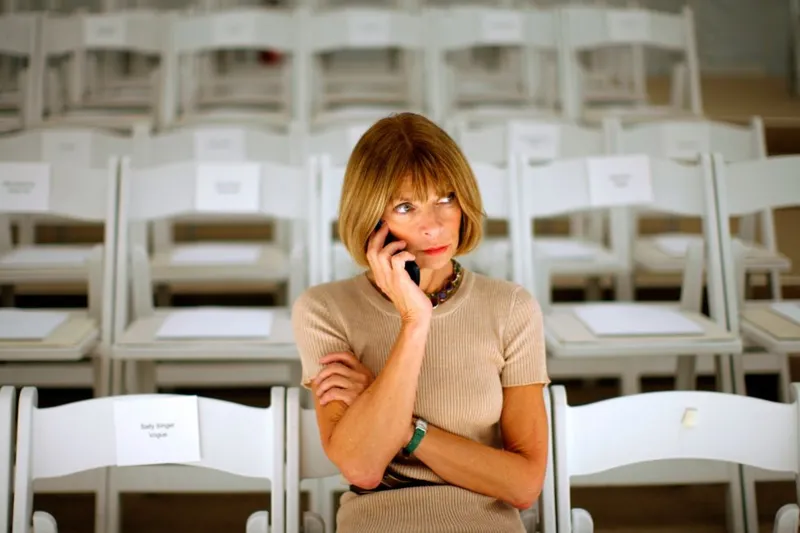
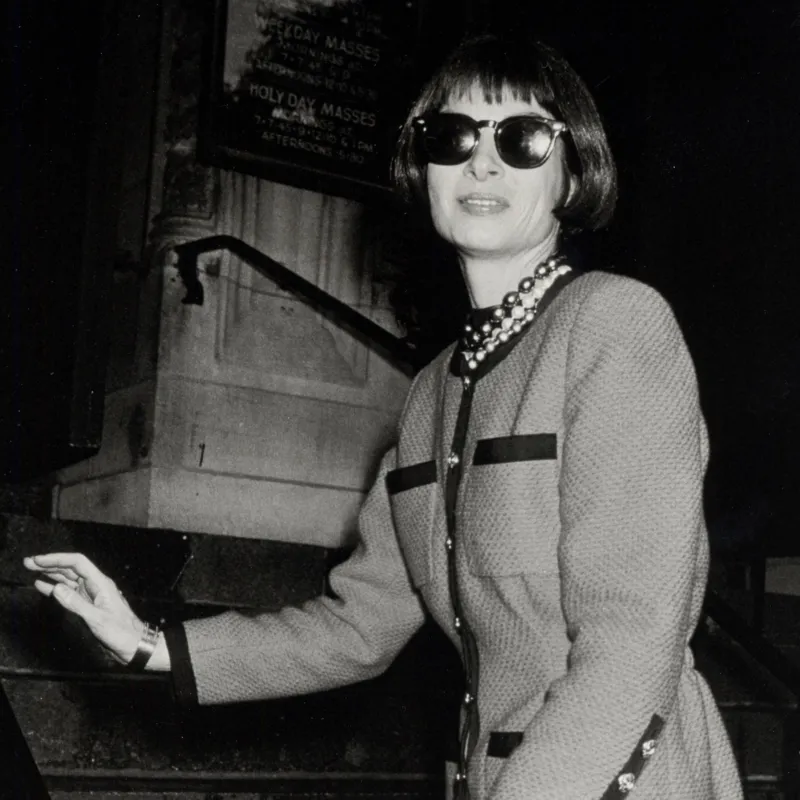
Much of Vogue’s influence is tied to Dame Anna herself—the enigmatic editor-in-chief known for her signature bob and air of mystery.
She has kept the magazine relevant largely by being relevant herself. “Anna has managed to stay influential through every era by becoming synonymous with culture, fashion, and beauty,” says Marian Kwei.
This is despite criticisms that Vogue was slower than other parts of the industry to embrace diversity. “She’s a mainstream celebrity figure,” notes Amy Odell. “Which other editor has had a book and an iconic movie made about them? Meryl Streep even played her!”
For Anja Aronowsky Cronberg, Wintour has become “a brand in and of herself.”
Looking ahead, Odell asks, “We’re about to see how much of Vogue’s relevance comes from Dame Anna.” While Chloe Malle inherits the magazine’s prestige, Sherman adds, “It will be up to her and her team to determine whether they can use it effectively to shape cultural trends.”


 Emily Martinez