 Michelle Thompson
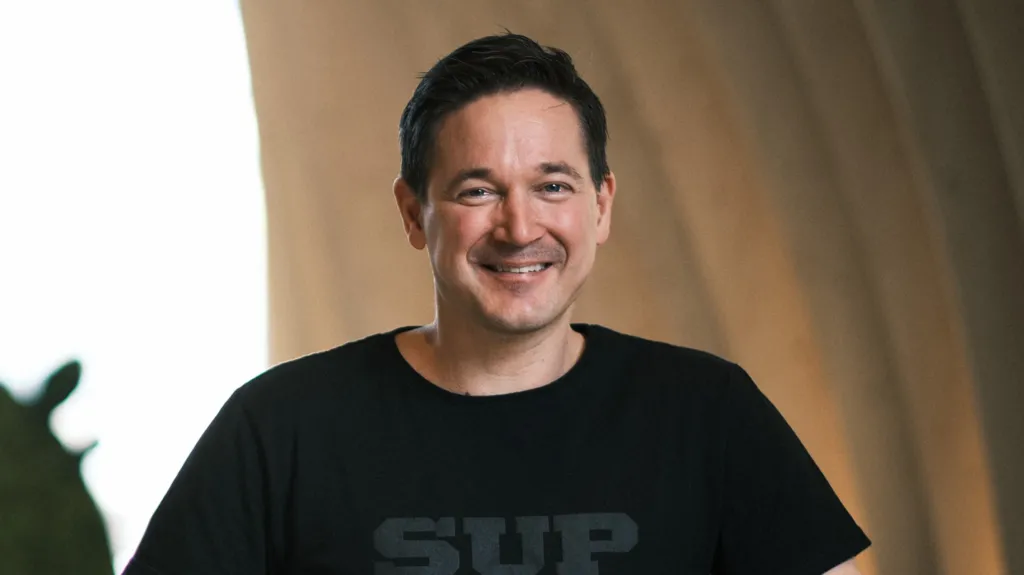
Ilkka Paananen, CEO of Supercell, seems calm for someone urging his company to explore bold new directions.
Barefoot like the rest of his team — a Finnish custom — he explains that the mobile gaming industry needs a major shake-up.
“We must take bigger risks,” says Paananen, head of the Finnish mobile gaming giant.
He stresses the need to develop fresh, innovative gaming experiences.
Despite having blockbuster hits like Clash of Clans and Brawl Stars, which together made over a billion dollars last year, the company isn’t slowing down. In recent years, Paananen has heavily increased investments in new game development, expanded the team, and launched several new studios.
“We have incredibly talented and ambitious teams working to redefine mobile gaming for 2030. I don’t have the answer yet, but expect gaming experiences very different from anything you’ve seen before,” he notes.
Highlighting the urgent need for change, he points out that 60% of all time spent on mobile games last year was on titles at least six years old. Only 10% of playtime went to games launched within the past year.
Without fresh and exciting releases, he warns, the industry risks losing players’ attention.
“Competition for people’s free time is tougher than ever. We’re not just up against other games — we’re competing with social media, music, video streaming, and everything else on smartphones,” Paananen explains.
He adds that one major hurdle is cost. While mobile games were once simpler and cheaper than console or PC titles, that’s no longer true.
“Game development has become far more expensive,” he says. “Smartphones now offer way more capabilities than a decade ago, and consumer expectations have risen massively.”
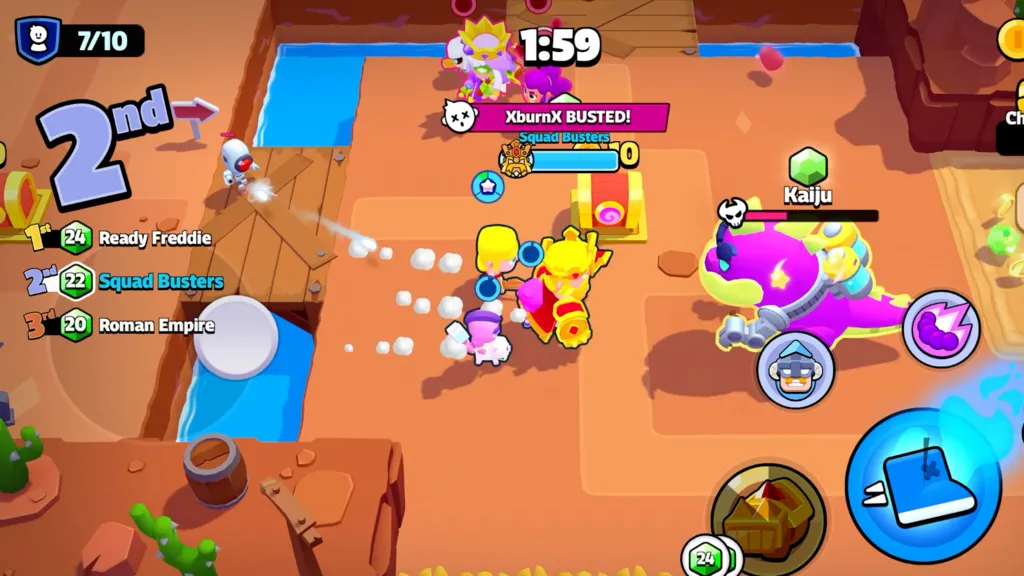
Squad Busters hasn’t reached the same level of success as Supercell’s earlier major hits.
Supercell’s internal development has faced challenges. Squad Busters, released last year, started strong but quickly lost momentum.
“It hasn’t met our expectations — at least not yet,” admits CEO Ilkka Paananen.
In response, Supercell appointed a new general manager for Squad Busters in February.
“The team has made some very bold changes. Whether it works, time will tell,” Paananen adds.
Meanwhile, Supercell is testing a different strategy with its new monster-hunting game, Mo.co. Released in March, the game is currently accessible only through invite.
Neil Long, founder of mobilegamer.biz, comments, “It’s hard to tell how Supercell defines success for Mo.co. The game hasn’t really made a big impact yet, and being invite-only limits visibility.”
He explains that mobile gaming is high risk — wins are huge, but so are failures.
As an example, Long cites Activision’s recent shutdown of Call of Duty: Warzone Mobile, which was scrapped within a year despite years of development.
“This is exactly why companies hesitate to take risks — the failures are highly visible and expensive,” he notes.
Long also highlights how the mobile gaming landscape has evolved since Supercell’s early successes. Competition is fiercer, and some developers now avoid massive launches, opting instead for gradual rollouts with constant adjustments.
“Maybe the era of massive, splashy launches is over,” he suggests. “It’s sometimes smarter to release a game quietly and refine it based on player feedback.”
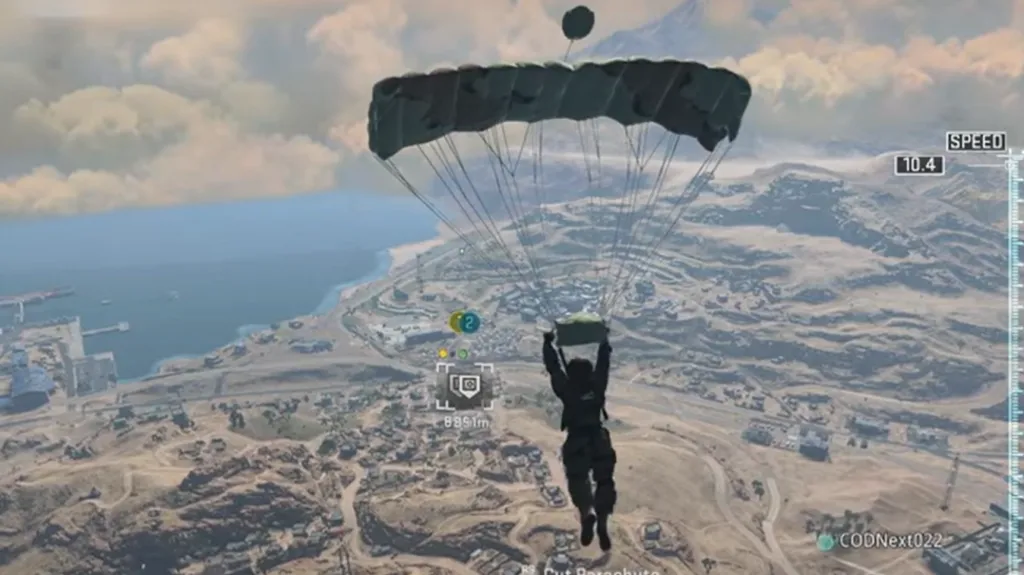
Activision has discontinued its mobile game Call of Duty Warzone.
Supercell allows its teams a high level of independence when developing new games, with 10 teams currently working on projects at different stages.
A key focus is creating games built to last.
“The teams always ask themselves, ‘Why would players still enjoy this game five or ten years from now?’”
Their ambition is to reach the same status as companies like Nintendo, which has thrived for over 100 years.
According to Mr. Long, Supercell’s success relies on a straightforward approach — transforming complex game concepts into simple, accessible, and entertaining experiences with a playful, cartoon-like style.
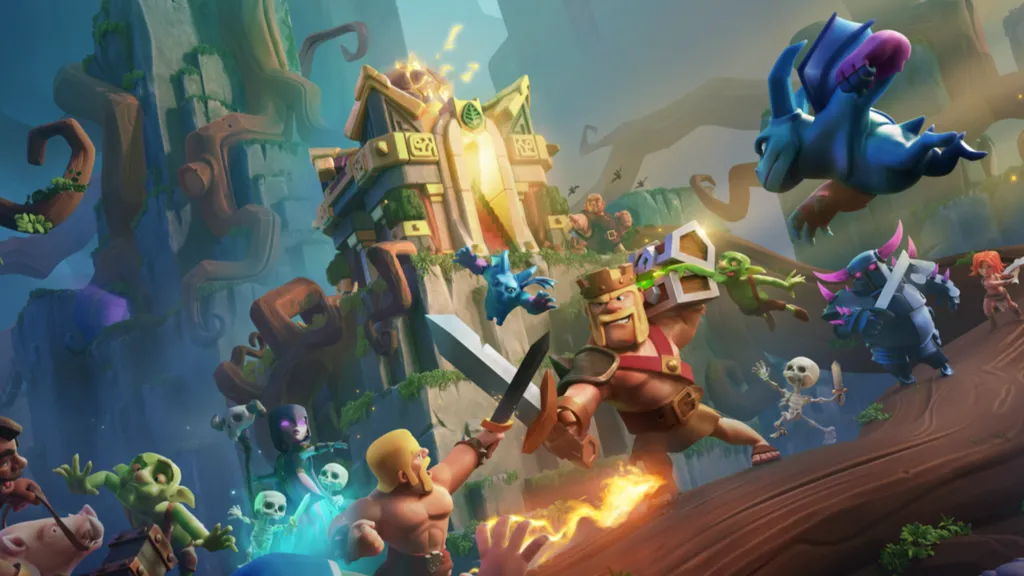
Clash of Clans was launched in 2012
Like many companies, Mr. Paananen hopes AI will drive new innovation. At Supercell, AI is already being used to develop new kinds of games.
“I’ve seen some early prototypes, but it’s still very early. It could take a few years before someone creates something truly groundbreaking with it.
“But it’s not a matter of if, but when — and who will be the one to make it happen.”
Supercell has also launched its AI Innovation Lab in Helsinki, allowing external creators to experiment with Supercell’s games and characters.
“We basically gave them full freedom to explore and innovate,” says Mr. Paananen, calling the project a “massive success.” A second lab is now planned for San Francisco.
He adds that the final product might not even look like a traditional game — it could be a completely different AI-powered experience.
Mr. Long notes that AI has been helpful in certain areas, like accelerating game development and analyzing player behavior.
However, he says nothing truly groundbreaking has emerged yet. “When it comes to creating entirely new types of games, we haven’t seen that happen — at least not yet.”