 Michelle Thompson
The Supreme Court is set to deliver a ruling on the cases of two former City traders imprisoned for manipulating interest rates, following concerns from senior politicians over potential miscarriages of justice.
If their appeal—opposed by the Serious Fraud Office (SFO)—is upheld, it could overturn the remaining convictions from nine previous trials.
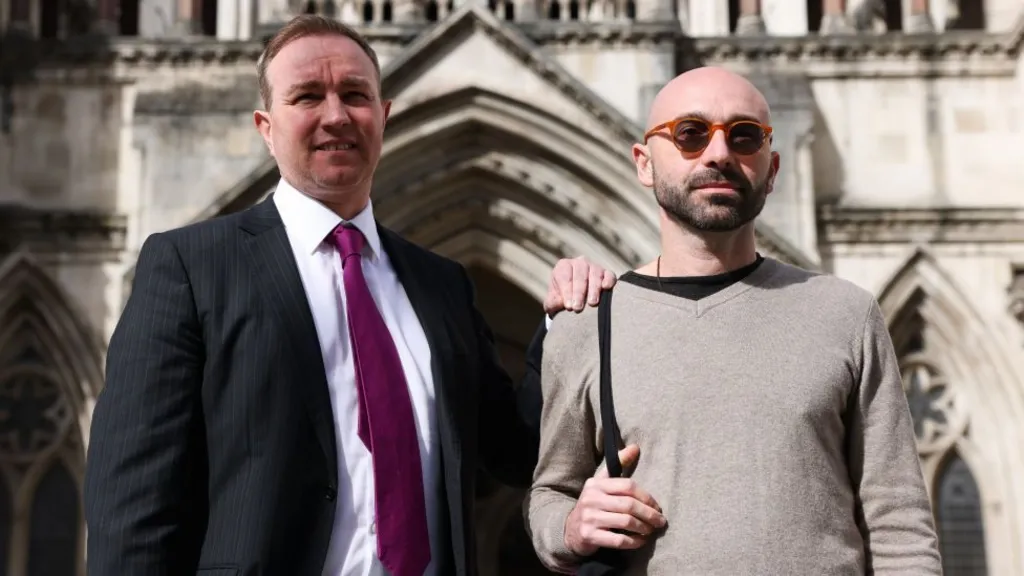
Tom Hayes, formerly of UBS, was the first banker jailed for interest rate “rigging” in 2015. At 35, he was charged by both the U.S. Department of Justice and the SFO as the alleged leader of a global fraud scheme and received a 14-year sentence. He and ex-Barclays trader Carlo Palombo now await a pivotal Supreme Court verdict.
Hayes and Palombo were among 37 traders prosecuted over the manipulation of Libor and Euribor interest rate benchmarks, which influence rates on mortgages and business loans.
Between 2015 and 2019, courts in the UK and U.S. convicted 19 traders of conspiracy to defraud, with nine handed prison sentences.
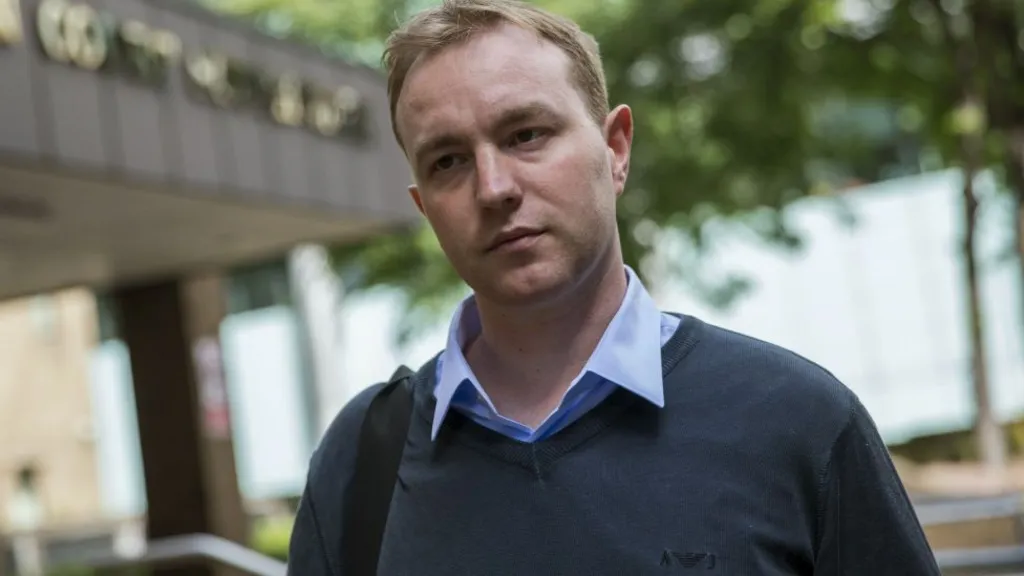
Tom Hayes was found guilty of conspiracy to defraud in 2015.
While the traders were serving their sentences, it came to light that central bankers and government officials worldwide—including a senior adviser at 10 Downing Street—had encouraged banks to engage in conduct similar to what the traders were imprisoned for, but on a far larger scale.
Despite this, no government official or central banker faced legal action.
After the traders completed their full sentences, a U.S. appeals court ruled that such behavior wasn’t criminal or even in breach of regulations. The U.S. Department of Justice dropped its charges against Tom Hayes, and all related convictions in the U.S. were dismissed.
However, in the UK, those traders remain convicted.
The Serious Fraud Office, which brought the original charges, maintains that the traders were found guilty of conspiracy to defraud and highlights past failed attempts to overturn those verdicts in the Court of Appeal.
The matter is now before the Supreme Court, which must decide whether juries were misinformed about the legality of the traders’ actions.
A ruling in favor of the traders could overturn all remaining convictions and potentially reverse the course of a global scandal that has spanned 17 years.
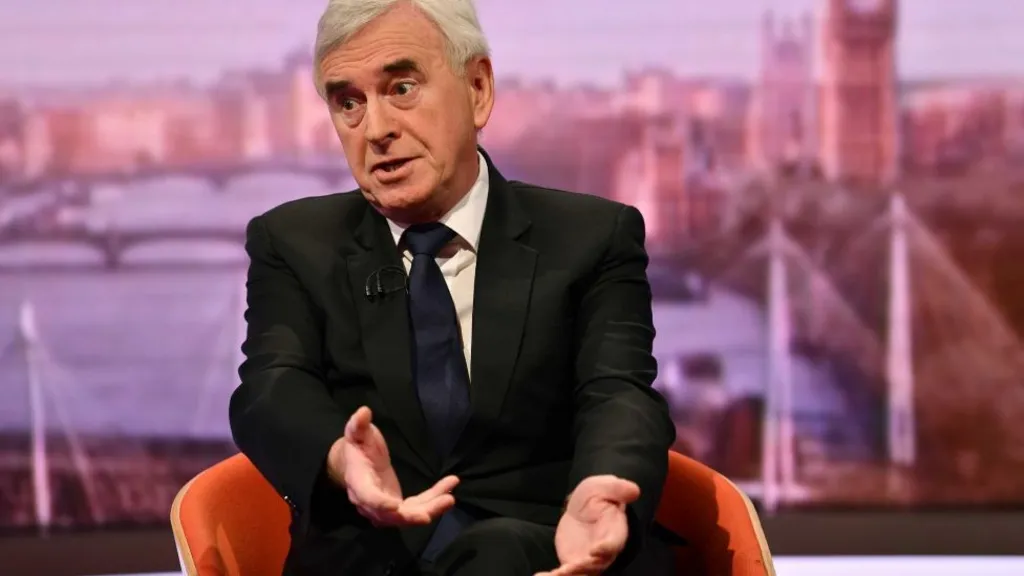
Senior political figures, including former shadow chancellor John McDonnell, have voiced concerns that the traders were unfairly “scapegoated” for wider systemic issues.
The Supreme Court case is also expected to reignite demands for a public inquiry into far broader interest rate “rigging,” allegedly driven by central banks and governments at the highest levels of the global financial system.
This marks the first time these cases have reached the Supreme Court, following growing political pressure from senior figures such as former shadow chancellor John McDonnell and ex-Brexit Secretary David Davis.
Both have told the BBC they fear the traders were made “scapegoats” in a series of miscarriages of justice, describing the situation as more serious than the Post Office scandal.
They are calling for a full public inquiry.
What is Libor ‘rigging’?
Libor functioned for interest rates much like the FTSE 100 or Dow Jones does for share prices—serving as a daily benchmark. From 1986 until 2024, it tracked how much it cost banks to borrow from one another.
Every day at 11am, 16 London-based banks were asked: “At what interest rate could you borrow money today?” Before answering, traders would review the market—where other banks might be offering rates that differed by just a few hundredths of a percent (e.g., HSBC at 3.14%, Bank of China at 3.16%, JP Morgan at 3.15%).
Each bank then submitted a rate within that tight range. These submissions were averaged to set the official Libor rate for the day.
A similar process was followed to determine Euribor, Libor’s euro equivalent.
The case against Hayes and Palombo was based on messages they sent to cash traders, asking them to pick either a slightly higher or lower rate from within that narrow range—depending on what would benefit their bank’s trading positions, which were tied to Libor or Euribor.
These small requests often made no impact on the overall average or only shifted it by a negligible amount—around 0.00125%. Nonetheless, since even a slight move could affect profits, the practice was widespread across the industry.
Prosecutors argued that Hayes was deliberately trying to influence Libor for personal and corporate gain, portraying him as driven by greed. The SFO painted Palombo as dishonest, claiming he had acted without integrity.
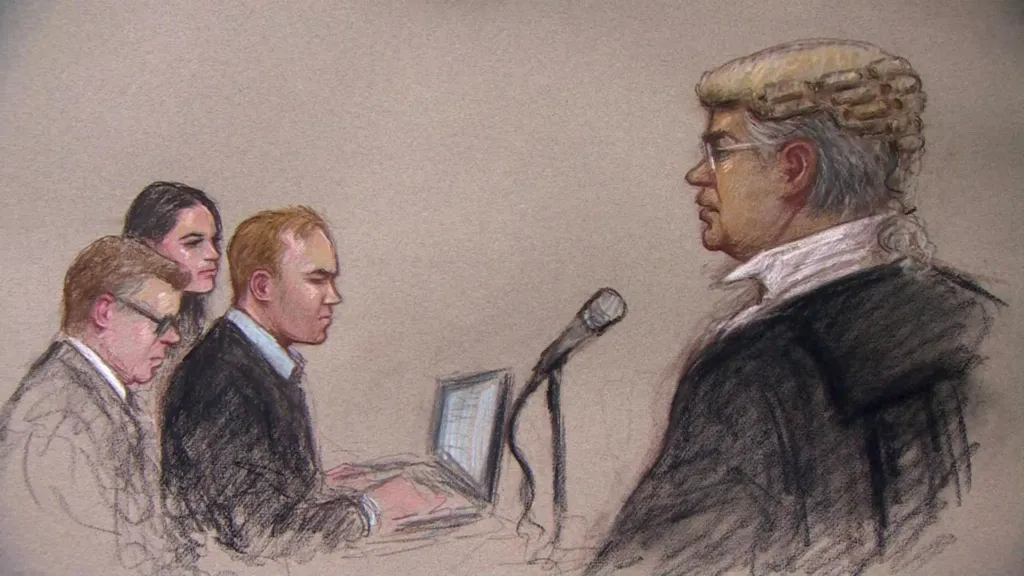
A courtroom sketch from 2015 depicts Tom Hayes, who prosecutors claimed tried to deceitfully influence the Libor rate to advantage his bank’s trading activities.
The traders argued that any bonus gains from nudging Libor by a mere 0.00125% were too small to justify a criminal conspiracy.
They viewed the task of choosing ‘high’ or ‘low’ rates based on the bank’s commercial interests as a routine clerical duty—something every bank had done since the 1980s, long before they joined.
However, the Serious Fraud Office (SFO) classified this as interest rate “manipulation,” framing it as part of an international conspiracy to defraud.
At his 2015 trial, Hayes maintained he never asked for false Libor submissions—only that his bank select a commercially advantageous rate within the genuine borrowing range.
But Judge Jeremy Cooke ruled that factoring in commercial interests when submitting Libor rates was “self-evidently” illegal.
Sentencing Hayes to 14 years, the judge rejected the defense that this was standard City practice:
“The fact others were doing it is no excuse, nor is managerial approval or encouragement. This conduct is dishonest and wrong, and a clear message must be sent to the banking world.”
The defendants contend the courts retroactively criminalized not just their actions but also those of senior bankers and civil servants higher up the financial hierarchy, who influenced Libor on a much larger scale.
BBC investigations uncovered audio, documents, and data showing that during the 2008 financial crisis, central banks and governments—from the Bank of England to the Banque de France and Banca d’Italia—pressured banks to artificially lower Libor and Euribor. This was done to make real interest rates look lower and ease concerns over banks’ solvency—a highly commercial motive.
The key difference was scale: traders shifted rates by a tiny fraction (one hundredth of a percent), while central banks pushed rates up to 50 times more—producing clearly false rates far removed from actual money market borrowing and lending.
In the BBC Radio 4 podcast The Lowball Tapes, Palombo questions bitterly, “If that’s not criminal, how can I be a criminal?”
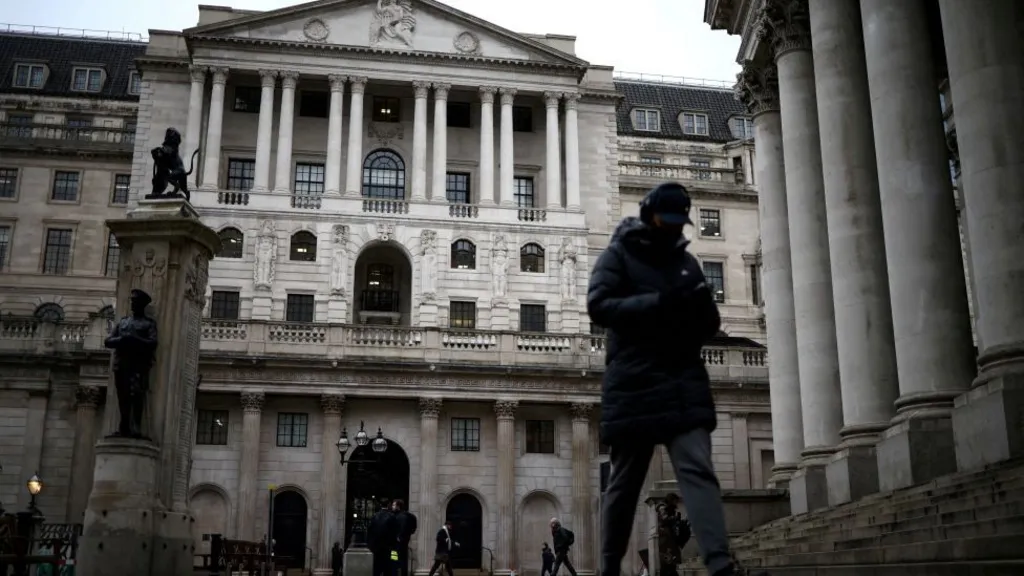
Documents uncovered earlier by the BBC reveal that during the 2008 crisis, the Bank of England pressured banks to artificially lower Libor and Euribor rates.
Recent emails, phone transcripts, FBI interviews, and eyewitness accounts suggest involvement of senior officials at Downing Street and the Treasury—evidence that was not presented to juries during the traders’ trials.
Palombo describes his prosecution experience as a “Kafka nightmare,” struggling to comprehend the charges and feeling he hadn’t done anything wrong.
Both Palombo and Hayes fear that if routine commercial practices can be retroactively criminalized, anyone in the workplace could face similar prosecution in the future for everyday tasks.
The Treasury denies trying to influence individual bank Libor submissions.
The Bank of England states Libor was unregulated at the time, while the Banque de France, Banca d’Italia, and the Federal Reserve have declined to comment.
From 2015 to 2019, the Court of Appeal, including Lord Chief Justice John Thomas and Lord Justice Nigel Davis, rejected attempts to take these cases to the Supreme Court five times.
In 2021, the Criminal Cases Review Commission (CCRC) initially planned to reject Hayes’s appeal.
However, in January 2022, a U.S. appeals court fully acquitted former Deutsche Bank traders Matt Connolly and Gavin Black, ruling that prosecutors had not proven they requested false Libor submissions beyond actual borrowing rates.
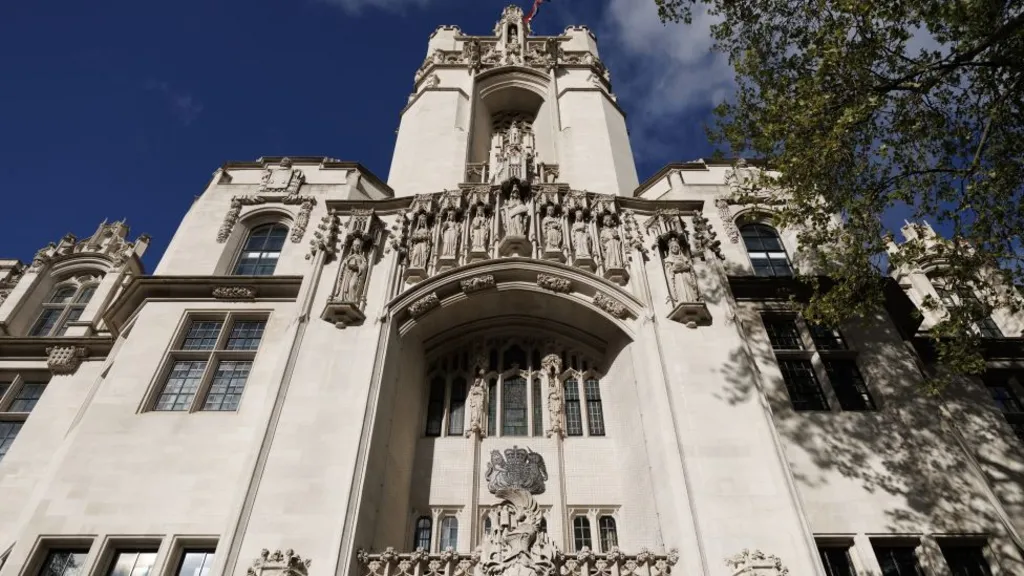
These cases are now being heard by the Supreme Court for the first time.
All US convictions related to Libor manipulation were eventually overturned.
The two traders were originally convicted in 2018 on charges similar to those faced by Hayes and Palombo.
In the following year, the Criminal Cases Review Commission (CCRC) reconsidered its stance.
Then, in 2024, the Court of Appeal judges recognized for the first time that the cases involved a legal issue of significant public importance, finally allowing them to proceed to the Supreme Court.
Two months ago, the Supreme Court heard arguments claiming that lower courts incorrectly instructed juries that Hayes and Palombo’s actions were legally wrong, when this should have been a factual question for the jury.
The Serious Fraud Office (SFO) told the court that the defendants did not challenge these jury instructions at the time.
Hayes and Palombo now await the Supreme Court’s ruling.